Selling a House That Needs Repairs in Metro Detroit
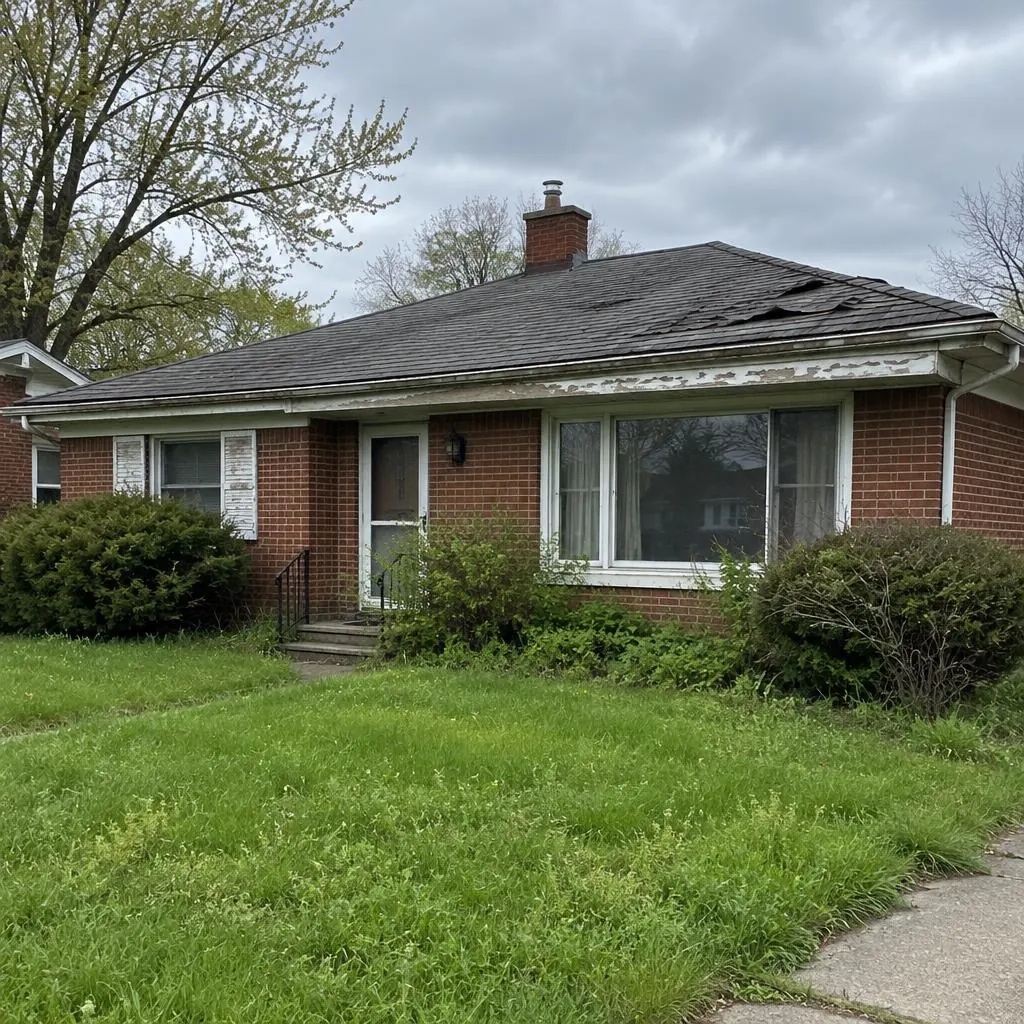
If you own an older home in Detroit, Wayne County, or the inner-ring suburbs, there is a good chance it needs something: a tired roof, a furnace on its last winter, a damp basement, or wiring nobody has touched in decades. When it is time to sell, the big question is simple to ask and hard to answer: do you fix it first, or sell it the way it is?
There is no single right answer. The best choice depends on what is wrong, what the fix costs, how much time and cash you have, and what the repair actually adds to your sale price. This guide walks through the repairs Metro Detroit sellers run into most, what those repairs typically cost, and a practical way to decide between repairing and selling as-is.
Key takeaways
- Metro Detroit has some of the oldest housing in the country, so major repair needs are common, not unusual.
- Big-ticket repairs (roof, foundation, sewer line, furnace) can cost thousands of dollars each and rarely return more than they cost at sale.
- Small, visible fixes are often worth doing; large remodels usually are not, especially right before you sell.
- Compare your net, not just your price: sale price minus repairs, holding costs, and selling costs, versus a clean as-is offer.
Why so many Metro Detroit homes need repairs
The age of the housing stock is the main reason. According to U.S. Census Bureau American Community Survey estimates, the median home in Wayne County was built in 1956, and the median home in the city of Detroit was built in 1947. About 78% of Detroit homes were built before 1960.
Houses that age have usually been through several roofs and furnaces already, and many were built with systems newer homes no longer use. That does not make them bad houses, but it does mean buyers, inspectors, and lenders look at them closely.
The repairs Metro Detroit sellers run into most
The most common issue we see in the homes we buy is an aging roof, followed by old or missing furnaces and, in older Detroit homes, plumbing and electrical problems.
Roof
A roof near the end of its life is one of the first things inspectors flag and buyers notice. According to Angi's 2026 cost data, a full roof replacement averages about $9,600 nationally, with most homeowners paying between about $5,900 and $13,400 depending on size, pitch, and material.
Furnace and heating
In Michigan, heat is not optional. An old or failing furnace can stall a sale, because buyers do not want to inherit a winter problem. Angi puts the national average for a new furnace installation at about $4,800, with most projects between about $2,800 and $6,900.
Foundation, basement water, and cracks
Basements are standard in much of Metro Detroit, and so are cracks, seepage, and bowing walls in older ones. Angi reports a national average foundation repair cost of about $5,200, with most homeowners paying between about $2,200 and $8,100. Severe structural work can cost far more.
Sewer line
Older homes often have older sewer lines running from the house to the street. A failing line can cause backups into the basement. Angi lists the national average for sewer line replacement at about $3,300, with most projects between about $1,400 and $5,300, plus a separate camera inspection fee.
Electrical and plumbing
Outdated electrical panels, old wiring, and aging galvanized or cast-iron plumbing come up often in mid-century homes. Costs vary too widely for one fair number, so get a written estimate from a licensed contractor.
Lead-based paint in older homes
The U.S. EPA notes that homes built before 1978 may contain lead-based paint. If a repair or renovation will disturb painted surfaces, the EPA recommends hiring a Lead-Safe Certified firm. This can add time and cost to work that looks simple, such as replacing windows or opening walls.
These are national averages; your actual cost depends on your house and what contractors find.
Do repairs pay for themselves when you sell?
Usually not dollar for dollar. Each year, the Cost vs. Value report from Zonda compares what common projects cost with how much value they add at resale. In its 2025 report, the projects that recovered the most were mostly smaller exterior replacements, like a garage door or a steel entry door. A minor kitchen remodel was the only interior project in the top five. Zonda's own summary says large interior remodels are often too subjective to deliver the same return when it is time to sell.
What that means for you:
- Small, visible fixes (a broken door, missing trim, a leaking faucet, fresh paint in a bad spot) often help buyers feel the home was cared for.
- Major system repairs (roof, furnace, foundation, sewer) are about getting the home to "acceptable," not about adding value. Buyers expect these to work.
- Big remodels right before selling rarely make sense unless you have the time, the cash, and a clear read on what buyers in your area pay for.
Repair or sell as-is? A simple way to decide
Step 1: Get real numbers, not guesses
Before you decide anything, find out what is actually wrong. A pre-listing inspection and two or three written contractor estimates for the biggest items give you a realistic repair budget. Add a cushion, because older homes often reveal more once the walls or floors are opened.
Step 2: Count the cost of time
Repairs take time, and time costs money. While work is underway, you keep paying the mortgage, taxes, insurance, and utilities. A listed sale also takes time after the work is done.
Step 3: Compare your two nets side by side
Net if you repair and list: expected sale price − repair costs − holding costs during repairs and listing − agent commission and closing costs − any credits buyers negotiate after inspection.
Net if you sell as-is: the as-is offer − your closing costs (if any) − holding costs until that closing date.
If the two numbers are close, the as-is route usually wins because it carries less risk and work. If repairing clearly nets more and you have the cash and time, repairs may be worth it.
Step 4: Be honest about your situation
The numbers are only part of it. Selling as-is often makes more sense when:
- You do not have the cash to pay for repairs upfront
- You inherited the home or live out of state and cannot manage contractors
- The house is vacant, and every month it sits costs you money
- You are relocating, downsizing, or going through a life change
- The problems are the kind that can scare off financed buyers
If you are still unsure what selling as-is really means for you, read what selling as-is really means.
What buyers and lenders look for in a home that needs work
Traditional buyers with loans
Most buyers use a mortgage, and the lender wants the home to meet basic condition standards. Some loan programs, such as FHA loans, have minimum property requirements, so serious safety or structural issues can delay or block financing until they are fixed. That is why an inspection can turn into a long repair list, a request for credits, or a buyer walking away.
Cash buyers
Cash buyers are not waiting on a lender's approval, so the home's condition is less likely to hold up the deal. Many buy as-is and plan to handle repairs themselves after closing. The tradeoff is that the offer reflects the work the house needs. For a deeper look, see how cash sales work.
How to compare offers on a home that needs repairs
Compare every offer on price, your net after costs, inspection terms, contingencies, and closing date. A higher number that falls apart after inspection is not a better offer. Our checklist for comparing offers can help.
Selling a home that needs repairs in your city
Buyer demand varies across Metro Detroit. If you are selling in Detroit, Taylor, Redford, Southfield, Pontiac, or Westland, see our local pages: Detroit, Taylor, Redford, Southfield, Pontiac, and Westland.
TLM Home Solutions is based at 19 N Saginaw St Ste 104, Pontiac, MI 48342, and buys houses as-is across Oakland, Wayne, and Macomb counties throughout Metro Detroit. That means no repairs and no commissions. Request your offer, receive a no-obligation as-is cash offer within 24 hours, and choose your closing date. Comparing that offer against your repair estimate is one of the easiest ways to see which path nets you more.
Frequently asked questions
Do I have to fix everything before selling my house in Michigan?
No. You can sell a home in its current condition. In a traditional sale, repairs are usually negotiated after the buyer's inspection, and some loan programs require certain safety or structural issues to be fixed before closing. If you want to avoid repair negotiations altogether, an as-is sale to a cash buyer is one option.
Which repairs are worth doing before I sell?
Small, inexpensive fixes that buyers see right away, like a broken door, a leaky faucet, missing trim, or obvious damage, are often worth it. Large projects, like a full remodel, usually do not return their full cost at sale. For major items like a roof or foundation, compare the repair estimate with what an as-is buyer will offer.
Will I get less if I sell my house as-is?
Often, yes, compared with the same home fully repaired, because the buyer takes on the cost and risk of the work. But a repaired-home price is not the same as your net. Once you subtract repair costs, holding costs, and selling costs, the difference can be smaller than it looks.
Do I still have to disclose problems if I sell as-is in Michigan?
Michigan has a Seller Disclosure Act. In general, selling a home as-is does not by itself remove a seller's obligation to provide a written disclosure statement and to be honest about known problems. The law does list some exemptions, including certain transfers by a nonoccupant fiduciary in the course of administering an estate, guardianship, conservatorship, or trust. Whether an exemption applies depends on the specifics of your transfer. This is general information, not legal advice. Talk to a Michigan real estate attorney about your situation.
Bottom line
In Metro Detroit's older housing stock, repair needs are normal, and fixing them is not always the smartest move before a sale. Get real estimates, count the cost of time, and compare your net from repairing and listing with your net from selling as-is. The better choice is the one that leaves you with the most money and the least risk for your situation.